
Hip Arthritis
HIP ARTHRITIS
Arthritis of the hip is a common cause of pain, stiffness, and reduced mobility in adults. It occurs when the hip joint becomes inflamed or the cartilage that cushions the joint wears down over time. There are different types of hip arthritis, with osteoarthritis and inflammatory arthritis being the most common.
Whether you are experiencing a gradual onset of hip stiffness or more widespread joint pain linked to a systemic condition, understanding the type of arthritis affecting your hip is an important first step in getting the right care.
Dr Darren Paterson offers a thorough assessment to determine whether arthritis is affecting your hip joint and works with you to explore personalized treatment options that may help relieve pain and improve mobility.
HIP ARTHRITIS
Arthritis of the hip is a common cause of pain, stiffness, and reduced mobility in adults. It occurs when the hip joint becomes inflamed or the cartilage that cushions the joint wears down over time. There are different types of hip arthritis, with osteoarthritis and inflammatory arthritis being the most common.
Whether you are experiencing a gradual onset of hip stiffness or more widespread joint pain linked to a systemic condition, understanding the type of arthritis affecting your hip is an important first step in getting the right care.
Dr Darren Paterson offers a thorough assessment to determine whether arthritis is affecting your hip joint and works with you to explore personalized treatment options that may help relieve pain and improve mobility.
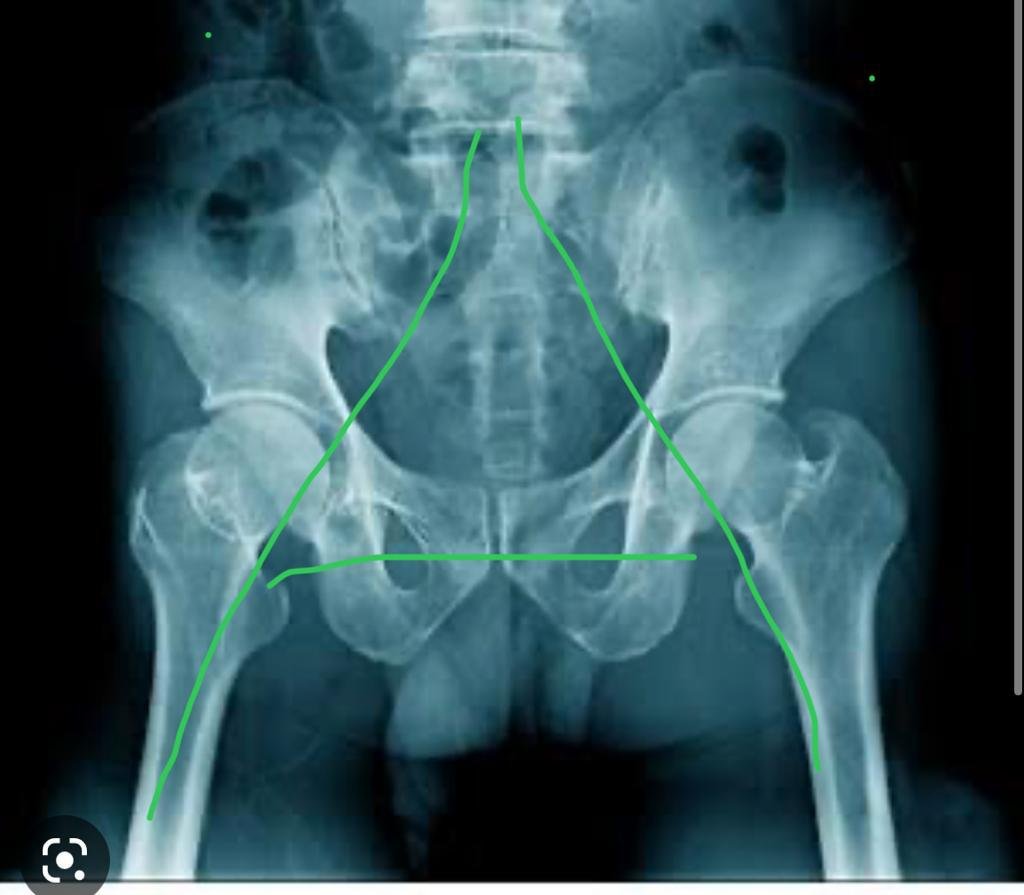
TYPES OF HIP ARTHRITIS
Arthritis can come in various forms
1. Osteoarthritis (OA)
The most common type, osteoarthritis typically affects people over 50. It occurs gradually as the cartilage in the knee wears down due to age, previous injury, or joint overload.
2. Rheumatoid arthritis
An autoimmune condition in which the immune system attacks the lining of the joints (synovium), causing pain, swelling, and joint damage.
Common types of inflammatory arthritis that may affect the hip include:
- Rheumatoid arthritis (RA) – often affects multiple joints on both sides of the body, including hips, hands, and knees
- Ankylosing spondylitis – primarily affects the spine and sacroiliac joints, but may also involve the hips
Systemic lupus erythematosus (SLE) – a systemic autoimmune condition that can cause joint pain and other complications
Inflammatory arthritis tends to affect younger adults compared to osteoarthritis, and is more likely to involve other joints and symptoms beyond the hip.
1. Osteoarthritis (OA)
Osteoarthritis is the most common type of arthritis and often affects the hip joint, particularly as we age. It occurs when the cartilage that normally cushions the joint becomes worn down or damaged. This leads to bone-on-bone contact, which can cause pain, inflammation, stiffness, and reduced movement.
Over time, the joint space narrows, and small bony growths (called osteophytes) may form. These changes can make everyday activities, such as getting in and out of a car, walking, or putting on shoes, more difficult.
While hip osteoarthritis can affect people of all ages, it is most commonly seen in individuals over 50.
There are several factors that may contribute to the development of osteoarthritis:
- Ageing – cartilage naturally wears over time
- Previous hip injury – such as a fracture or dislocation
- Family history – genetics can increase your risk
- Hip conditions earlier in life – including hip dysplasia or Perthes disease
- Avascular necrosis – loss of blood supply to the femoral head, which may lead to cartilage damage
- Obesity or excess weight – which places more pressure on the joint
In many cases, there is no single cause – it may be a combination of genetics, lifestyle, and joint mechanics over time.
2. Inflammatory arthritis of the hip
Inflammatory arthritis refers to a group of autoimmune conditions where the body’s immune system attacks its own joints, leading to chronic inflammation. In the hip, this can cause damage not just to the cartilage, but also to the joint lining (synovium) and surrounding bone.
Common types of inflammatory arthritis that may affect the hip include:
- Rheumatoid arthritis (RA) – often affects multiple joints on both sides of the body, including hips, hands, and knees
- Ankylosing spondylitis – primarily affects the spine and sacroiliac joints, but may also involve the hips
Systemic lupus erythematosus (SLE) – a systemic autoimmune condition that can cause joint pain and other complications
Inflammatory arthritis tends to affect younger adults compared to osteoarthritis, and is more likely to involve other joints and symptoms beyond the hip.
COMMON SYMPTOMS OF HIP ARTHRITIS
Hip arthritis, regardless of the underlying type, typically develops gradually, and the symptoms may vary between individuals. Common signs include:
Pain in the groin, outer thigh, or buttock
Stiffness, particularly in the morning or after resting
Difficulty walking, bending, or climbing stairs
Clicking or grinding sensations in the joint
Reduced range of motion in the hip
Pain that worsens with activity and improves with rest
Joint swelling or warmth (more common in inflammatory arthritis)
Inflammatory arthritis may also cause fatigue, joint redness, and involvement of multiple joints.
As the arthritis progresses, you may find it harder to perform daily tasks or remain active without discomfort.
DIAGNOSING THE TYPE OF ARTHRITIS AFFECTING YOUR HIP
During your consultation, Dr Paterson will carefully assess your symptoms, medical history, and joint function. A diagnosis is usually based on:
Physical examination – to evaluate movement, strength, and areas of tenderness
X-rays – to assess joint space narrowing, bone changes, or osteophytes
MRI or CT scans (if required) – for more detailed views of the soft tissue or early-stage cartilage wear
Blood tests – to rule out inflammatory or autoimmune forms of arthritis if needed
Understanding the extent and pattern of joint damage and well as Identifying whether you have osteoarthritis or inflammatory arthritis will help guide the most appropriate treatment plan.
NON-SURGICAL HIP ARTHRITIS TREATMENT OPTIONS
Many people with early or moderate hip osteoarthritis can manage their symptoms with non-surgical care. Your treatment plan may include:
- Lifestyle changes
- Staying active with low-impact exercises such as swimming, walking, or cycling
- Losing excess weight to reduce pressure on your hip
- Using aids such as a walking stick to improve balance and stability
- Physiotherapy
- Tailored exercises to strengthen surrounding muscles, improve flexibility, and maintain mobility
- Postural and gait training to reduce strain on the joint
- Medications
- Anti-inflammatory medications (NSAIDs) to help reduce pain and swelling
- Topical creams or gels for localised relief
- In some cases, corticosteroid injections may be offered for short-term pain relief, especially during flare-ups
- Immunosuppressive medications, often used in inflammatory arthritis (e.g. methotrexate for RA)
WHEN SURGERY MAY BE CONSIDERED
If arthritis progresses and your symptoms become difficult to manage with conservative care, hip surgery may be recommended. The choice of procedure depends on the type of arthritis, your age, lifestyle, and the extent of joint damage.

Surgery is generally considered when:
- You experience ongoing pain that limits daily activity.
- Your mobility is significantly reduced.
- Other treatments are no longer effective.
Surgical options may include:
- Total hip replacement, often recommended for advanced osteoarthritis or inflammatory arthritis such as RA or ankylosing spondylitis
- Core decompression, may be considered in patients with early-stage lupus-related hip damage
- Bone grafting, used in selected cases to help regenerate healthy bone tissue.
- Synovectomy, removal of the inflamed joint lining in early inflammatory arthritis, if cartilage is still relatively preserved
Living with hip arthritis can be challenging, but a personalised treatment plan may help you maintain function and reduce discomfort. Dr Paterson will explain the most appropriate surgical approach based on your diagnosis and individual goals, including the use of minimally invasive and patient-specific techniques where suitable.