
Knee Arthroscopy
hip arthroscopy
Knee arthroscopy is a minimally invasive surgical procedure that allows Dr Paterson to view and treat the inside of the knee joint using a small camera, known as an arthroscope. It is performed through a few small incisions and is commonly used to diagnose and manage various knee problems such as torn cartilage, damaged ligaments, or joint inflammation. Because arthroscopy uses small instruments and incisions, it generally results in less tissue disruption, reduced post-operative pain, and a quicker recovery compared to traditional open surgery.
A minimally invasive procedure used to diagnose and treat a range of knee conditions
.
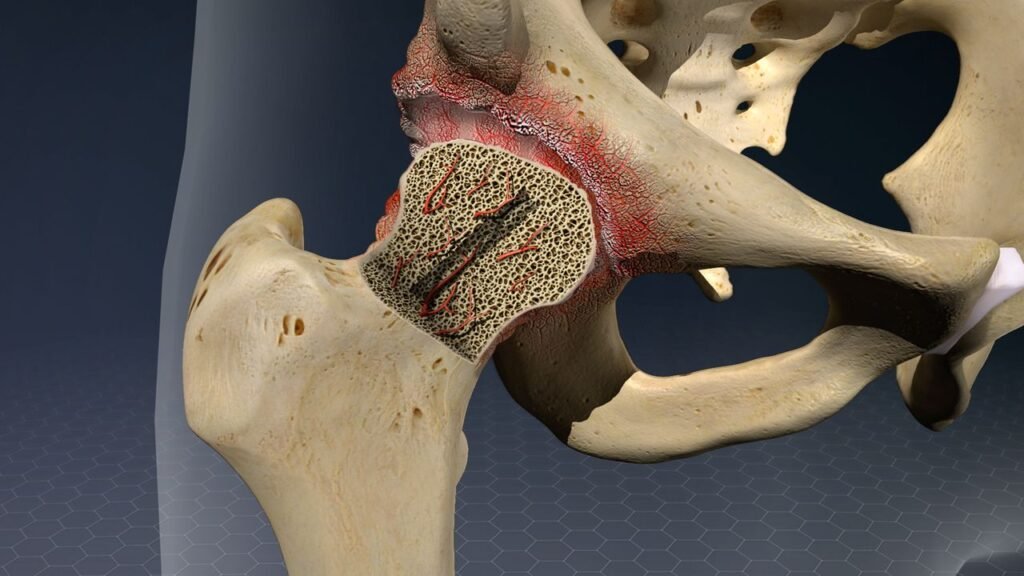
When might knee arthroscopy be recommended?
Common reasons for arthroscopy include:
- You have persistent knee pain, swelling, or locking that hasn’t responded to non-surgical treatment
- There is suspected damage to structures such as the meniscus, cartilage, or ligaments
- Imaging (such as MRI or X-ray) suggests a mechanical problem inside the knee
- A diagnosis remains unclear, and a direct view of the joint is needed
- There is a loose body (fragment of bone or cartilage) causing mechanical symptoms
Conditions commonly treated with knee arthroscopy
Knee arthroscopy may be recommended when non-surgical treatments such as physiotherapy, medications, or injections have not resolved your symptoms, or when imaging suggests a mechanical problem inside the joint. Dr Paterson may use arthroscopy to diagnose or treat conditions such as:
- Meniscal tears
- Cartilage damage or early arthritis
- Loose bodies (small fragments of bone or cartilage in the joint)
- Synovitis (inflammation of the joint lining)
- Ligament injuries, such as partial ACL tears
- Patellofemoral problems, including tracking issues or instability
- Plica syndrome (irritated fold of joint lining)
What happens during the knee arthroscopy surgical procedure?
Knee arthroscopy is typically performed as a day procedure under general or regional anaesthesia.
Surgical steps typically include:
Small incisions are made around the knee to insert the camera and instruments.
2. Sterile fluid is introduced to expand the joint and provide a clear view.
3. A tiny camera (arthroscope) is inserted to inspect the joint structures. The image is displayed on a screen in the operating room.
4. Dr. Paterson may perform procedures to repair or remove damaged tissue, smooth or stimulate cartilage healing, treat inflammation, or address alignment and ligament issues.
5.Once the procedure is complete, the joint is flushed and the instruments are removed.
6. The incisions are closed with small sutures or surgical tape and covered with a sterile dressing.
The procedure usually takes less than an hour, depending on what needs to be done.
.
Recovery timelines after knee arthroscopy
Most patients go home on the same day as their surgery. Recovery times can vary depending on what was treated during the procedure. In general:
- You can walk with assistance (crutches may be used for a few days).
- Pain and swelling are managed with medication, elevation, and ice.
- A physiotherapy program is often started soon after surgery to restore movement, strength, and function.
- Return to work or sport will depend on the type of procedure performed and your individual recovery progress.
Dr Paterson will provide a personalised post-operative plan to help guide your recovery.
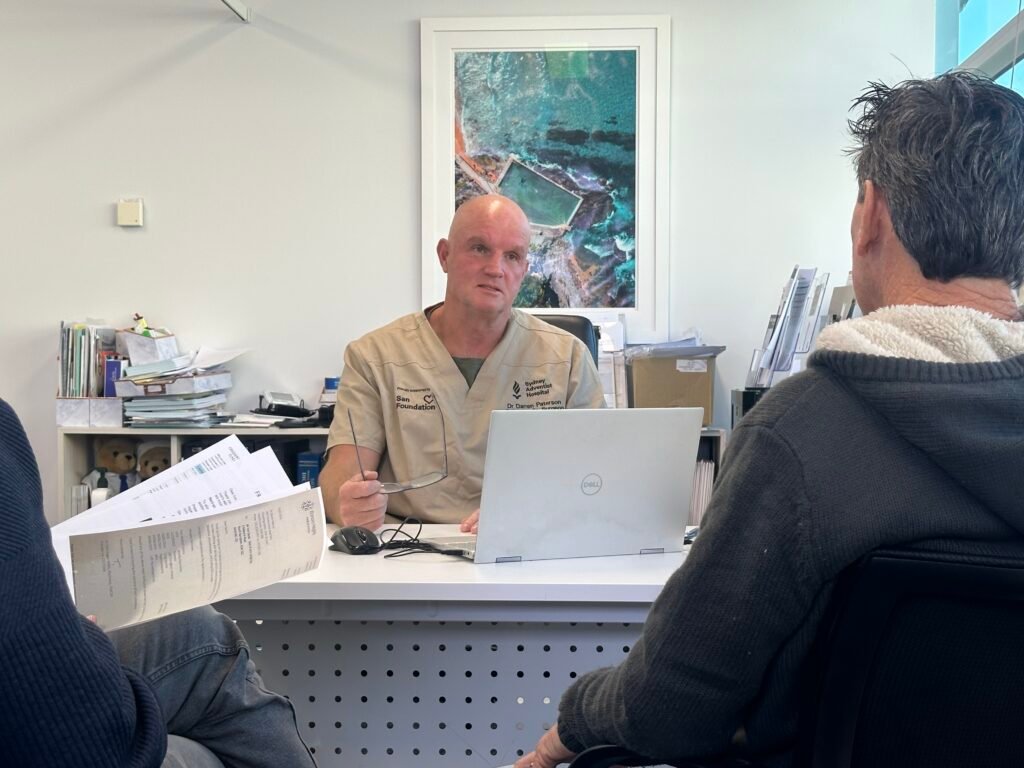
Potential benefits of Knee Arthroscopy
Small incisions and reduced tissue trauma
Faster recovery and return to activity compared to open surgery
Improved understanding of knee issues when imaging is inconclusive
Ability to treat several problems during the same procedure
Risks and limitations with Arthroscopic knee surgery
While knee arthroscopy is considered a low-risk procedure, it does carry some potential risks, including:
- Bleeding or infection
- Blood clots (rare)
- Knee stiffness or swelling
- Incomplete relief of symptoms if arthritis is present
- Damage to surrounding structures (rare)
It’s also important to understand that while arthroscopy can address certain mechanical problems within the knee, it does not reverse advanced arthritis or prevent future joint degeneration. Dr Paterson will discuss the potential risks and benefits specific to your condition during your consultation.
Will arthroscopy cure the knee arthritis?
Knee arthroscopy can help relieve symptoms caused by torn cartilage or inflammation, but it does not reverse arthritis or regenerate cartilage. If arthritis is present, the goal of arthroscopy is often to reduce symptoms, improve mobility, and delay more invasive treatments such as joint replacement.
Discussing your options
Knee arthroscopy may be appropriate if non-surgical treatment has not resolved your symptoms, and imaging suggests that a correctable issue is present inside the joint. Dr Paterson will assess your symptoms, medical history, and imaging to help determine whether arthroscopy is likely to improve your comfort and knee function.