
Radio Frequency Abolation (Knee)
RADIOFREQUENCY ABLATION (KNEE)
A non-surgical option to help relieve knee pain caused by osteoarthritis
Radiofrequency ablation (RFA) is a non-surgical procedure used to help relieve chronic knee pain, particularly in people with knee osteoarthritis who may not yet be ready for joint replacement surgery or who are not suitable candidates for surgery. It works by interrupting pain signals being sent from the knee joint to the brain, helping to reduce discomfort and improve mobility.
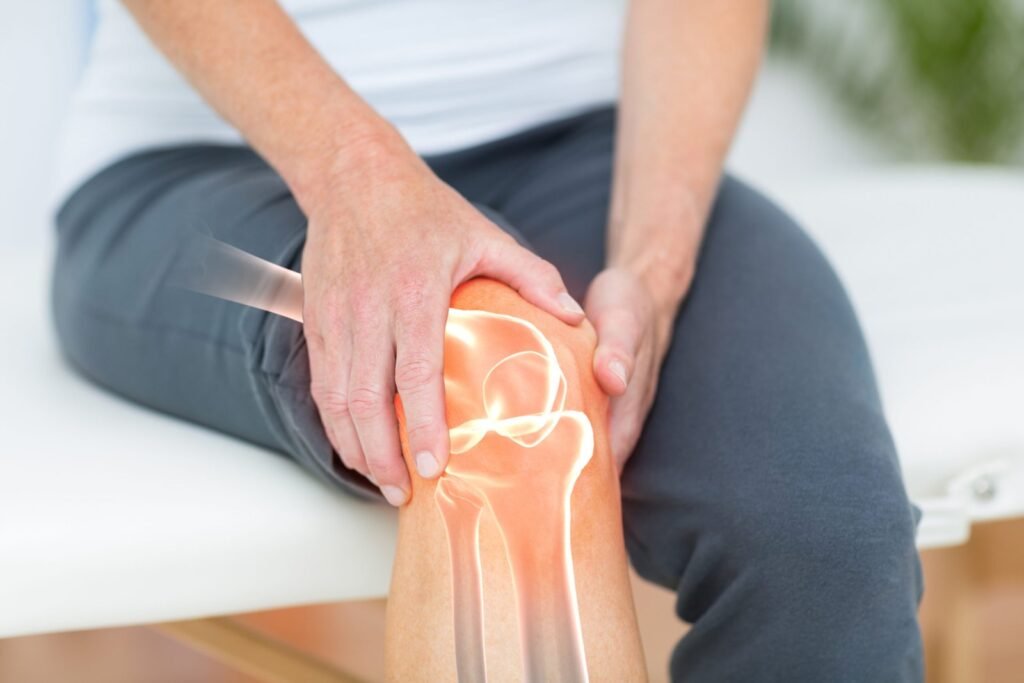
Causes of knee instability
Knee instability can result from a wide range of conditions, including:
Ligament injuries – Damage to the ACL, PCL, MCL, or LCL can weaken knee stability and cause repeated giving way
Meniscal tears – Particularly large or displaced tears can cause mechanical instability or locking
Patellar instability – Dislocation or maltracking of the kneecap (patella) can create a feeling of instability at the front of the knee
Muscle weakness or imbalance – Weak quadriceps, hamstrings, or hip stabilisers can reduce joint control
Cartilage damage or arthritis – Loss of joint surface congruency can affect movement and stability
Post-injury laxity – Repeated sprains or previous injuries may lead to stretched ligaments or capsule tissue
Post-surgical instability – Can occur after knee replacement or ligament reconstruction if alignment or balance is altered
Symptoms of knee instability
Symptoms can vary but often include:
- A feeling that the knee may “give way” or collapse during activity
- Pain or discomfort, particularly during twisting or pivoting movements
- Swelling after activity or injury
- Catching, locking, or grinding sensations
- Reduced confidence when walking on uneven ground or stairs
Diagnosing the cause of knee instability
Accurate diagnosis is important to guide treatment. Dr Paterson will carry out a thorough assessment that may include:
Detailed history – Including the onset, frequency, and triggers of instability episodes
Physical examination – Testing ligament stability, joint alignment, and muscle strength
Imaging –
- X-rays to assess bone alignment and rule out fractures
- MRI scans to evaluate ligaments, menisci, cartilage, and soft tissue structures
- CT scans in complex or recurrent instability cases
Treatment options for knee instability
Treatment is tailored to the underlying cause, severity, and your activity requirements.
Non-surgical management may include:
- Physiotherapy – Strengthening key muscle groups, improving balance, and retraining movement patterns
- Bracing or taping – Providing support during activity
- Activity modification – Avoiding high-risk movements until stability improves
- Anti-inflammatory medication – To manage pain and swelling
Surgical options may be considered if instability persists despite rehabilitation, or if structural damage requires repair. These may include:
- Ligament reconstruction or repair (e.g., ACL reconstruction, PCL reconstruction)
- Meniscal repair
- Patellar stabilisation procedures (e.g., MPFL reconstruction, tibial tubercle osteotomy)
- Cartilage restoration techniques
- Revision knee replacement if instability occurs after joint replacement surgery
Recovery and rehabilitation
Rehabilitation is essential in both surgical and non-surgical management of knee instability. A physiotherapy program will be designed to:
- Strengthen muscles around the knee and hip
- Improve neuromuscular control and balance
- Restore functional movement patterns
- Gradually reintroduce sport- or work-specific activities
Timeframes vary depending on the underlying cause:
Prompt assessment is recommended if you have:
- Non-surgical cases: Significant improvement may be seen within 6–12 weeks of structured physiotherapy
- Surgical cases: Return to high-impact sport may take 6–12 months, depending on the procedure performed
Early diagnosis and appropriate management can help protect long-term knee function and reduce the risk of further injury.
When to consult with Dr Paterson
You should see Dr paterson if you experience:
- Repeated episodes of your knee giving way
- Pain, swelling, or stiffness after instability events
- Locking, catching, or inability to fully straighten the knee
- Difficulty returning to sport or work due to lack of confidence in your knee
Early assessment and treatment can help prevent further injury to the knee joint and improve long-term function.