
ACL Tears
WHAT IS ACL TEAR?
The anterior cruciate ligament (ACL) is one of the major ligaments that help stabilise the knee joint. It connects the thigh bone (femur) to the shin bone (tibia) and plays a critical role in controlling forward movement and rotation of the knee. An ACL tear occurs when the ligament fibres are stretched beyond their limit or ruptured. This injury is particularly common in sports that involve sudden stops, pivoting, or changes in direction, such as football, netball, skiing, and basketball. It can also result from workplace injuries or accidents.
Dr Darren Paterson diagnoses and treats ACL injuries across the North Shore, Northern Beaches, Tamworth, and Central Coast NSW, offering both non-surgical and surgical management tailored to each patient’s needs, activity level, and goals.
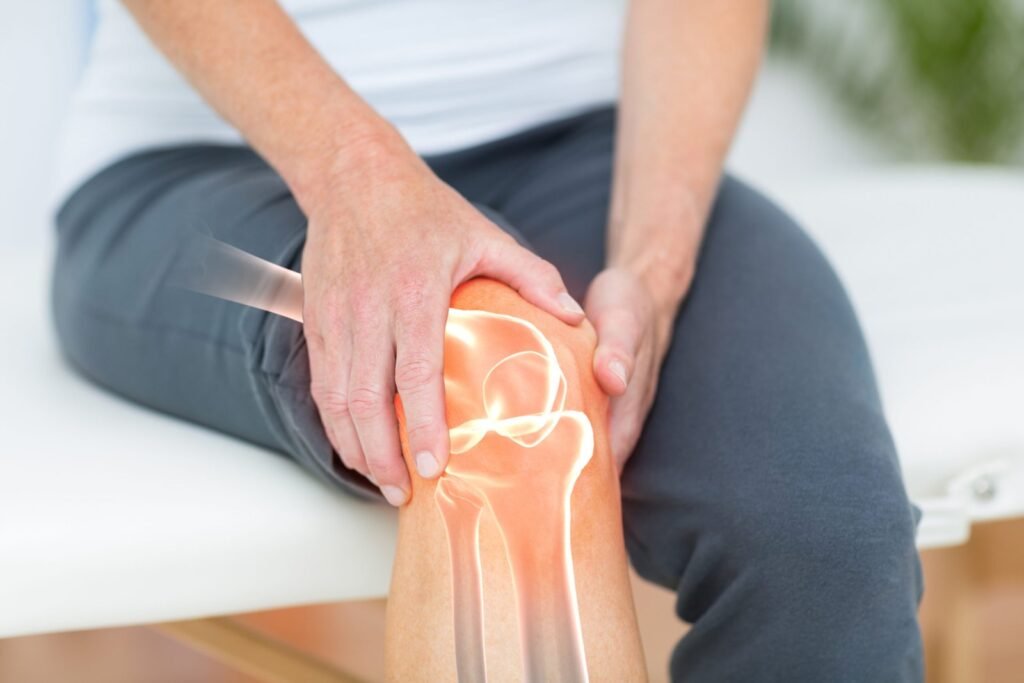
Causes of ACL tears
ACL injuries often occur through:
- Sudden directional changes while running or landing
- Pivoting movements with the foot planted
- Landing awkwardly from a jump
- Direct impact to the knee, such as during contact sports or accidents
Symptoms of an ACL tear
Typical signs and symptoms may include:
- A popping sound at the time of injury
- Immediate swelling within the first 24 hours
- Pain and difficulty weight-bearing
- Loss of full range of motion
- A feeling of instability or the knee “giving way” during activity
Diagnosing an ACL tear
Diagnosis begins with a detailed history of the injury and a physical examination to assess stability, swelling, and range of motion. To confirm the diagnosis and assess for associated injuries, Dr Paterson may order:
MRI scans – To visualise the ligament and surrounding structures
X-rays – To rule out fractures or assess joint alignment
ACL injuries often occur alongside damage to other knee structures, such as the meniscus or cartilage, which will also be assessed.
Treatment options for ACL tears
The best treatment depends on the severity of the injury, your age, activity level, and whether other knee structures are damaged.
Non-surgical management may be suitable for:
- Partial ACL tears
- Patients with low physical demands or those willing to modify activity
- Rehabilitation focusing on strengthening, balance, and stability exercises
- Use of knee braces to support function
Surgical management (ACL reconstruction) may be recommended for:
- Complete ACL tears in active individuals
- Patients involved in pivoting or high-demand sports
- Ongoing instability despite rehabilitation
ACL reconstruction involves replacing the torn ligament with a graft (often from the patient’s hamstring or patellar tendon) to restore stability.
Recovery and rehabilitation
Diagnosis begins with a detailed history of the injury and a physical examination to assess stability, swelling, and range of motion. To confirm the diagnosis and assess for associated injuries, Dr Paterson may order:
Non-surgical treatment:
Recovery can take several months, with a structured physiotherapy program essential to restore strength and stability.
After surgery:
Rehabilitation typically lasts 9–12 months before returning to high-level sport, with gradual milestones along the way. Early focus is on swelling control and regaining range of motion, followed by progressive strengthening and sport-specific training.
Dr Paterson works closely with physiotherapists to ensure each patient has a tailored recovery plan and safe return to activity.
When to seek medical advice
You should see Dr Paterson if you:
Non-surgical management may be suitable for:
- Suspect a ligament injury after a sports or workplace incident
- Experience repeated episodes of your knee “giving way”
- Have ongoing swelling or pain after an injury
- Need guidance on returning to sport safely
Prompt diagnosis and treatment help reduce the risk of further injury to the knee joint.