
Meniscal Tears
Meniscal Tears
The meniscus is a C-shaped piece of cartilage in the knee that acts as a shock absorber between the thigh bone (femur) and shin bone (tibia). Each knee has two menisci: one on the inner side (medial) and one on the outer side (lateral). They help distribute weight, protect the joint surfaces, and contribute to stability during movement.
A meniscal tear occurs when this cartilage is damaged, either through injury or gradual wear and tear. Tears can affect people of all ages, from athletes and active individuals to older adults with degenerative changes in the knee.
Dr Darren Paterson diagnoses and treats meniscal tears across the North Shore, Northern Beaches, Tamworth, and Central Coast NSW, tailoring treatment to the cause of the tear, the type of damage, and each patient’s activity level.
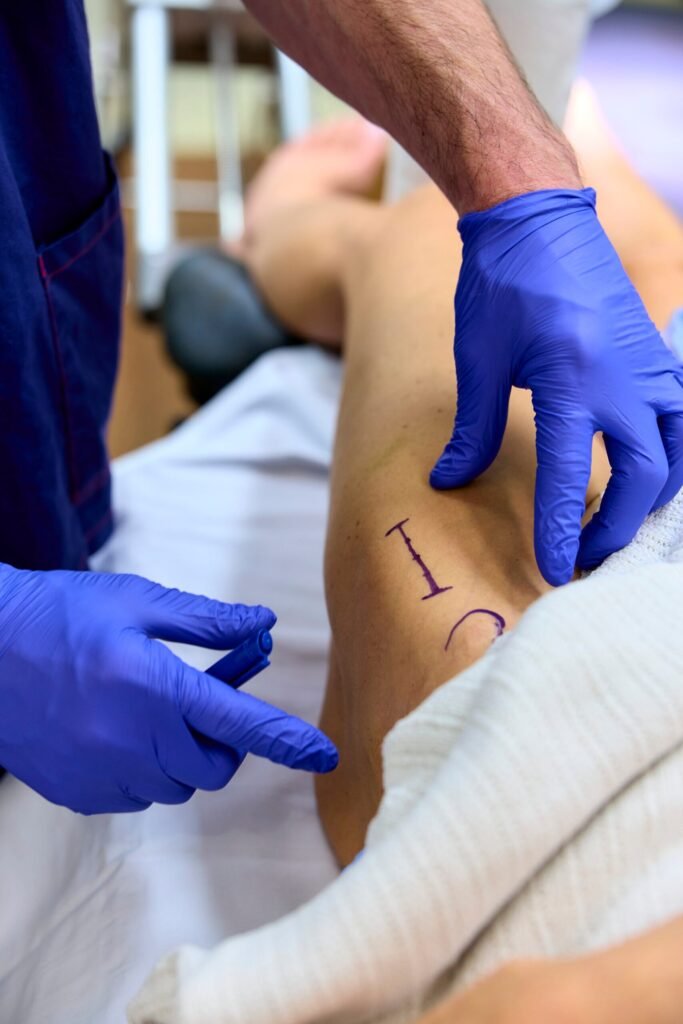
Causes of meniscal tears
Meniscal tears can result from:
- Sports injuries – Often caused by twisting, pivoting, or sudden changes in direction while the foot is planted
- Direct impact – Such as a fall, tackle, or blow to the knee
- Degenerative changes – Age-related wear that weakens the cartilage, making it more prone to tearing
- Combined injuries – Meniscal tears can occur alongside ligament injuries (e.g., ACL tears) in high-impact sports or accidents
Symptoms of a meniscal tear
Symptoms can vary depending on the tear’s size and location, but often include:
- Pain along the joint line
- Swelling and stiffness
- A catching or locking sensation in the knee
- Difficulty straightening the knee fully
- A feeling of the knee “giving way” during activity
Symptoms may appear immediately after injury or develop gradually over time with degenerative tears.
Diagnosing a meniscal tear
Dr Paterson will begin with a detailed history and physical examination, assessing joint stability, range of motion, and areas of tenderness. Diagnostic imaging may include:
X-rays – To rule out fractures and assess for arthritis
MRI scans – To visualise the meniscus, cartilage, ligaments, and other soft tissue structures
Treatment options for meniscal tears
Treatment depends on factors such as the tear’s size, location, type, and the patient’s age, activity level, and overall knee health.
Non-surgical options may include:
- Rest and activity modification
Ice and anti-inflammatory medications - Physiotherapy to strengthen surrounding muscles and improve knee stability
Corticosteroid injections for pain and inflammation control
Surgical options may be considered if symptoms persist or the tear is unlikely to heal on its own:
- Meniscal repair – Suturing the torn cartilage to preserve function, often performed arthroscopically
- Partial meniscectomy – Removing the damaged section of the meniscus while preserving as much healthy tissue as possible
Dr Paterson aims to preserve the meniscus whenever possible, as it plays an important role in long-term knee health.
Recovery and long-term outlook
- Non-surgical treatment: Many patients improve within weeks to months with physiotherapy and gradual return to activity.
- After surgery: Recovery times vary—meniscal repair generally requires a longer rehabilitation period than partial meniscectomy due to healing time for the repaired tissue.
- Most patients can return to daily activities and sports following a structured rehabilitation program, guided by their physiotherapist and Dr Paterson.
When to seek medical advice
Prompt assessment is recommended if you have:
- Persistent pain or swelling after a knee injury
- Locking, catching, or instability in the knee
- Ongoing limitation in knee movement
- Symptoms interfering with work, sport, or daily activities
Early diagnosis and appropriate management can help protect long-term knee function and reduce the risk of further injury.