Total Hip Replacement
TOTAL HIP REPLACEMENT
Total hip replacement is a well-established procedure used to treat severe hip arthritis, joint degeneration, and other conditions that cause persistent pain, stiffness, and reduced mobility. The surgery involves removing the damaged parts of the hip joint and replacing them with precisely fitted prosthetic components designed to restore smooth movement and reduce discomfort.
Dr Darren Paterson performs total hip replacement for patients across the North Shore, Northern Beaches, Tamworth, and Central Coast NSW, using approaches and implant combinations tailored to each individual’s anatomy, bone quality, and lifestyle needs.
When total hip replacement may be recommended
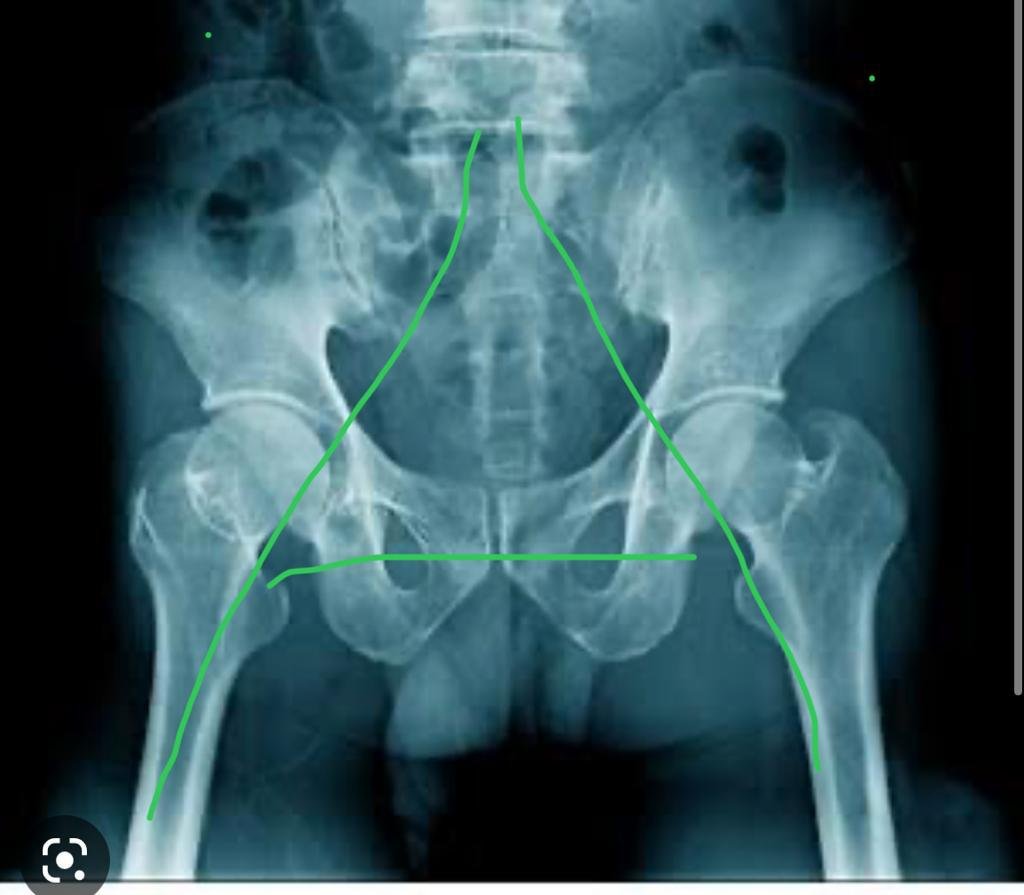
Total hip replacement may be considered when:
- Hip pain persists despite non-surgical care such as physiotherapy, activity modification, or medication
- Arthritis or joint damage significantly limits your ability to walk, work, or participate in recreational activities
- Imaging shows advanced cartilage loss, bone damage, or deformity
- Night pain or rest pain interferes with sleep and daily comfort
Common conditions leading to hip replacement include osteoarthritis, avascular necrosis, inflammatory arthritis, certain fractures, and degenerative hip disorders.
Dr Paterson’s surgical approaches
Dr Paterson performs total hip replacement using techniques that suit the patient’s anatomy, joint condition, and functional goals. His preferred methods include:
Posterior approach:
Accesses the hip joint through the back of the hip. This method provides excellent visualisation of the joint and is widely used for a variety of hip conditions.
Direct Superior Approach (DSA)
A minimally invasive modification of the posterior approach that preserves more soft tissue and may support a faster early recovery in suitable patients.
During your consultation, Dr Paterson will discuss which approach is most appropriate for you, based on your hip structure, overall health, and lifestyle.
Implant selection and bearing surfaces
Dr Paterson selects implants based on the morphology of your femur and your bone quality, ensuring optimal fit and stability.
Options include:
- Cemented implants – Often used where additional fixation is beneficial, such as in patients with lower bone density.
- Uncemented implants – Designed to encourage bone growth onto the implant surface for long-term stability.
For the bearing surfaces (where the ball and socket meet), Dr Paterson may use:
- Ceramic on poly – A durable combination with low wear rates.
- Ceramic on ceramic – Offers excellent wear resistance and may be suitable for younger, more active patients.
The surgical procedure
Compared to total hip replacement, hip resurfacing may offer:
Anaesthesia – Performed under general or spinal anaesthesia, discussed with your anaesthetist before surgery.
Joint access – The chosen surgical approach is used to carefully expose the hip joint.
Removal of damaged tissue – The worn femoral head and damaged cartilage in the socket are removed.
Implant placement – The socket (acetabulum) is fitted with a new cup, and the femur is prepared to receive the new stem and ball.
Final checks – Leg length, stability, and movement are checked before the components are secured.
Closure – The surgical site is closed with sutures and a dressing is applied.
It is important to note that hip resurfacing is not suitable for all patients, particularly those with reduced bone density, severe deformity, or osteoporosis.
Recovery and rehabilitation
Recovery time varies depending on your health, the surgical approach used, and your activity goals. In general:
- Hospital stay: Usually 2–4 days
- Weight-bearing: Often allowed soon after surgery with the support of a physiotherapist
- Physiotherapy: Begins in hospital and continues after discharge to restore mobility, strength, and balance
Dr Paterson will work closely with your rehabilitation team to develop a personalised recovery plan.
Recovery after hip resurfacing surgery
Recovery is similar in many respects to a total hip replacement, although each patient’s experience will vary. In most cases:
- Hospital stay: 1 to 3 days
- Weight-bearing: Allowed early, often on the same day with a frame or crutches
- Physiotherapy: Begins in hospital and continues as an outpatient to regain strength and mobility
- Driving: May resume around 3 to 6 weeks, depending on side of surgery and individual progress
- Return to work: Office-based work within 2 to 4 weeks; manual work may take 6 to 12 weeks
- Return to sport: Low-impact sports at 3 months; high-impact sports may be delayed up to 6 months or longer
Dr Paterson will provide you with a personalised recovery and rehabilitation plan, based on your health status, occupation, and activity level.
Risks and considerations
While hip replacement is highly successful for many patients, potential risks include:
- Infection
- Blood clots
- Dislocation
- Implant wear or loosening over time
- Nerve or blood vessel injury
- Leg length difference
Dr Paterson will discuss these risks with you during your consultation and explain the steps taken to minimise them.
Is total hip replacement right for you?
Not all patients with hip pain require surgery. During your consultation, Dr Paterson will review your symptoms, imaging, and lifestyle needs to help determine if total hip replacement is the most appropriate option, or whether joint-preserving treatments may be more suitable.