Hip Resurfacing
HIP ARTHRITIS
Hip resurfacing is a bone-conserving alternative to total hip replacement, typically considered for younger, active patients with strong bone quality and significant hip arthritis.
Unlike traditional hip replacement which involves removing the entire femoral head, hip resurfacing preserves more of the natural bone and covers the femoral head with a smooth, metal surface. This approach may be suitable for those who wish to remain physically active and maintain higher-impact lifestyles, provided their hip anatomy and bone quality are appropriate.
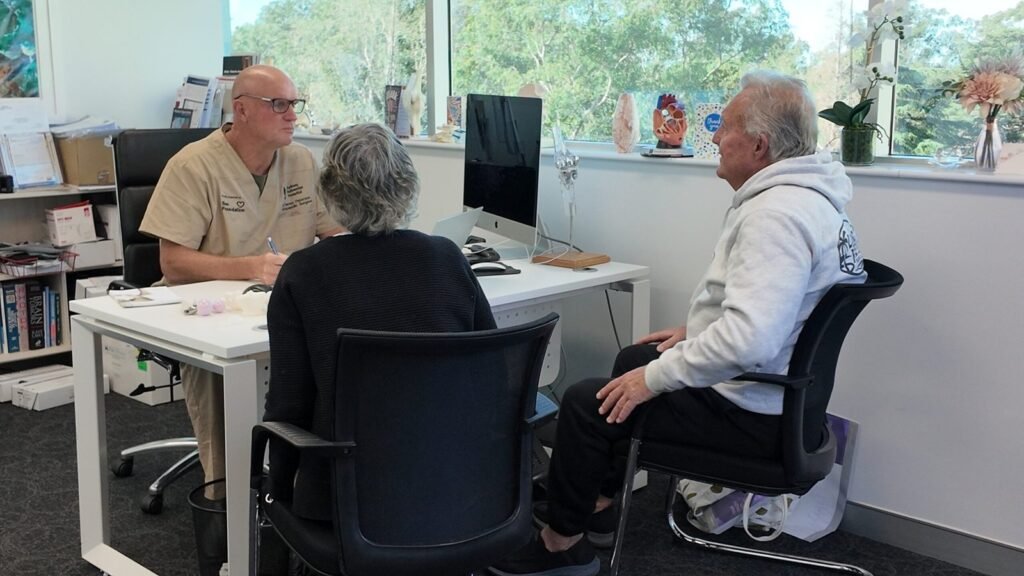
Dr Darren Paterson may consider hip resurfacing in select cases following a thorough assessment of your symptoms, imaging results, bone strength, activity level, and long-term goals.
When might hip resurfacing be considered?
Hip resurfacing may be an option if you:
- Are younger (typically under 60) with good bone quality
- Have severe hip arthritis causing pain, stiffness, or restricted movement
- Wish to remain physically active in sport or manual work
- Have not achieved relief from non-surgical treatments such as physiotherapy, medication, or injections
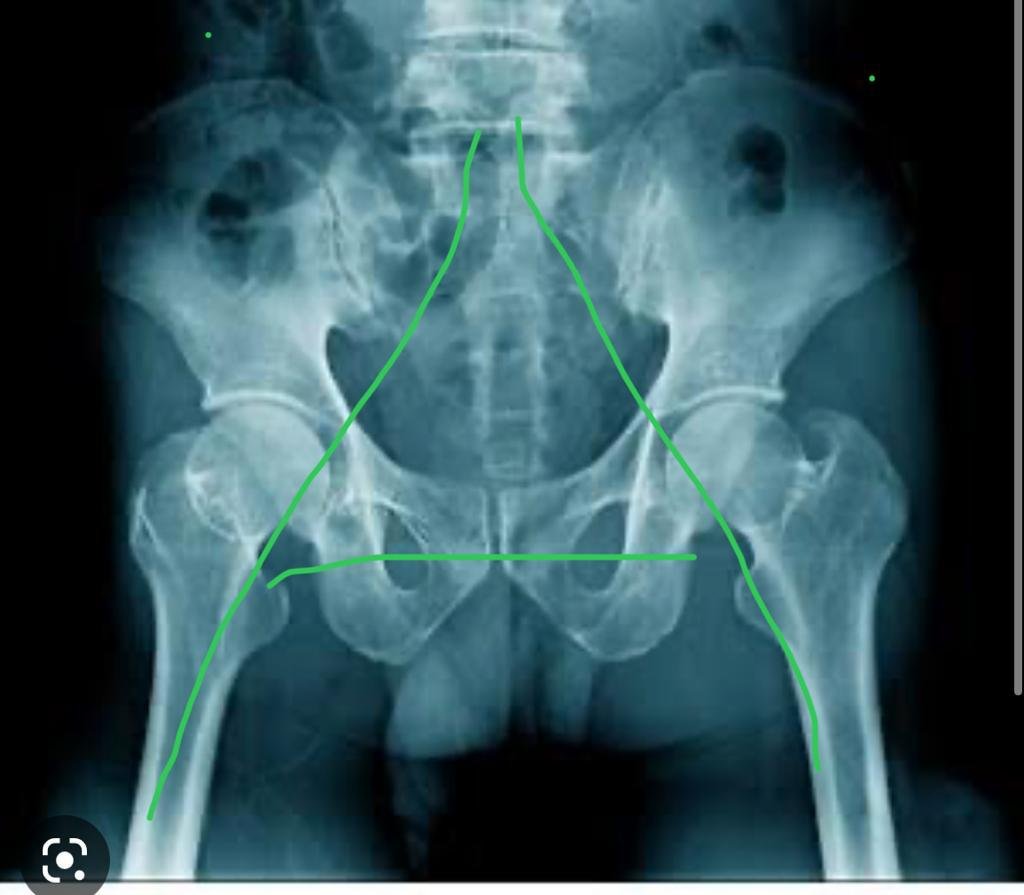
- Have anatomy suitable for resurfacing based on X-rays or CT scans
This procedure is most often used in patients with osteoarthritis or avascular necrosis where the bone remains structurally sound.
Potential benefits of hip resurfacing
Compared to total hip replacement, hip resurfacing may offer:
Bone preservation – More of the natural femoral bone is retained
Lower dislocation risk – Due to a larger femoral head size
Natural hip mechanics – May provide improved movement and proprioception
Easier revision surgery – If surgery is required in the future, preserving bone can make revision simpler
It is important to note that hip resurfacing is not suitable for all patients, particularly those with reduced bone density, severe deformity, or osteoporosis.
How is hip resurfacing performed?
Hip resurfacing is performed under general or spinal anaesthesia and generally follows these steps:
- Surgical approach: Dr Paterson uses a carefully planned approach to access the joint while minimising soft tissue disruption.
- Femoral head preparation: The femoral head is reshaped and fitted with a smooth, metal cap instead of being removed.
- Acetabular preparation: The socket (acetabulum) is shaped and fitted with a metal cup, similar to a total hip replacement.
- Implant placement: The components are aligned, trialled for stability and movement, and then secured.
- Closure: The wound is closed and dressed, and you are transferred to recovery.
The procedure generally takes 1.5 to 2.5 hours, and most patients begin walking with assistance within a day or two.
Recovery after hip resurfacing surgery
Recovery is similar in many respects to a total hip replacement, although each patient’s experience will vary. In most cases:
- Hospital stay: 1 to 3 days
- Weight-bearing: Allowed early, often on the same day with a frame or crutches
- Physiotherapy: Begins in hospital and continues as an outpatient to regain strength and mobility
- Driving: May resume around 3 to 6 weeks, depending on side of surgery and individual progress
- Return to work: Office-based work within 2 to 4 weeks; manual work may take 6 to 12 weeks
- Return to sport: Low-impact sports at 3 months; high-impact sports may be delayed up to 6 months or longer
Dr Paterson will provide you with a personalised recovery and rehabilitation plan, based on your health status, occupation, and activity level.
Potential risks and considerations
As with any surgical procedure, hip resurfacing carries risks, which may include:
Femoral neck fracture: A rare but serious complication unique to resurfacing
Metal-on-metal wear: May lead to increased metal ion levels in the blood, particularly in some implant designs
Infection or wound healing issues
Leg length difference or altered gait
Loosening or implant failure over time
Dr Paterson will carefully assess whether you are a suitable candidate, considering the latest evidence, implant design, and your individual risk factors. Ongoing monitoring, including blood tests and imaging, may be recommended post-operatively in some cases.
Is hip resurfacing right for you?
Not every patient with hip arthritis is a candidate for hip resurfacing. During your consultation, Dr Darren Paterson will:
- Review your symptoms and medical history
- Examine your hip strength, range of motion, and walking pattern
- Order appropriate imaging, such as X-rays or CT scans, to evaluate your joint anatomy and bone quality
- Discuss your lifestyle, physical demands, and long-term goals
Based on these findings, he will determine whether hip resurfacing or an alternative such as total hip replacement is best suited to your situation.