
Avascular Necrosis
AVASCULAR NECROSIS (HIP)
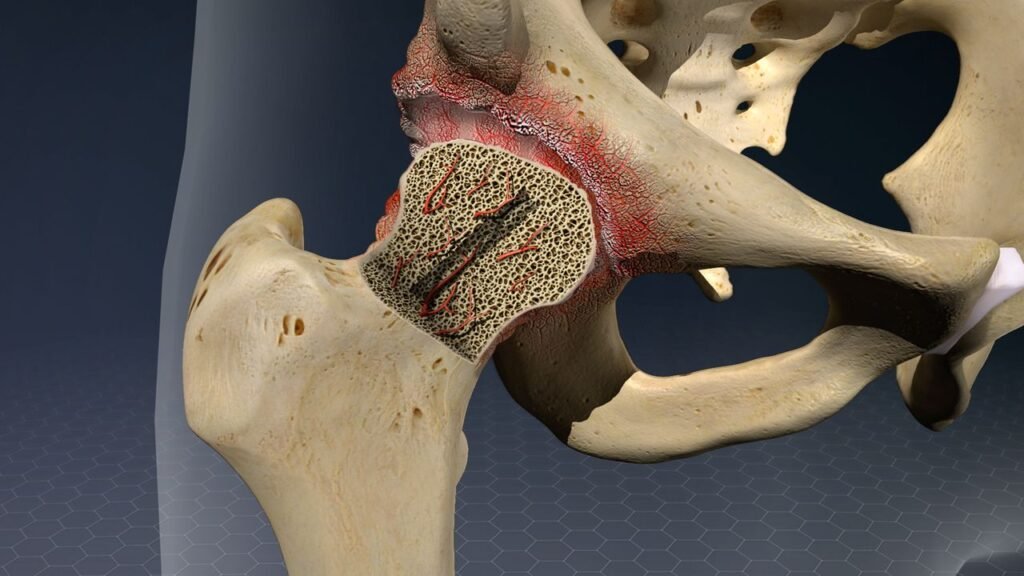
Avascular necrosis (AVN) of the hip, also known as osteonecrosis of the hip, is a condition in which the blood supply to the femoral head (the ball of your hip joint) becomes reduced or completely interrupted. Without sufficient blood flow, the bone tissue gradually dies, leading to structural collapse, pain, and eventual arthritis of the hip joint.
AVN often affects people in their 30s to 60s and may progress without obvious symptoms in its early stages. Left untreated, it can lead to permanent hip damage, joint instability, and significant loss of mobility.
Dr Paterson provides a thorough assessment, advanced imaging interpretation, and tailored treatment options for patients with AVN of the hip, whether the goal is to preserve the joint or replace it when damage is severe.
What causes avascular necrosis of the hip?
Your hip joint relies on a network of blood vessels to keep the bone healthy. If this blood supply is compromised, the affected bone tissue begins to break down. As the femoral head weakens, it may collapse and lose its spherical shape, which in turn affects how the joint moves and functions.
Trauma
A hip fracture or dislocation can damage the blood vessels supplying the femoral head.
Corticosteroid use
Long-term or high-dose steroid use (such as for autoimmune or respiratory conditions) is a major risk factor.
Excessive alcohol consumption
Chronic alcohol use can interfere with blood flow and bone metabolism.
Medical condition
Including sickle cell disease, systemic lupus erythematosus (SLE), clotting disorders, and some infections.
Radiation therapy or chemotherapy
May compromise the blood vessels or damage bone marrow.
Idiopathic AVN
In many cases, the exact cause remains unknown.
Avascular necrosis may affect one or both hips, and it tends to worsen over time if not addressed.
Symptoms of avascular necrosis
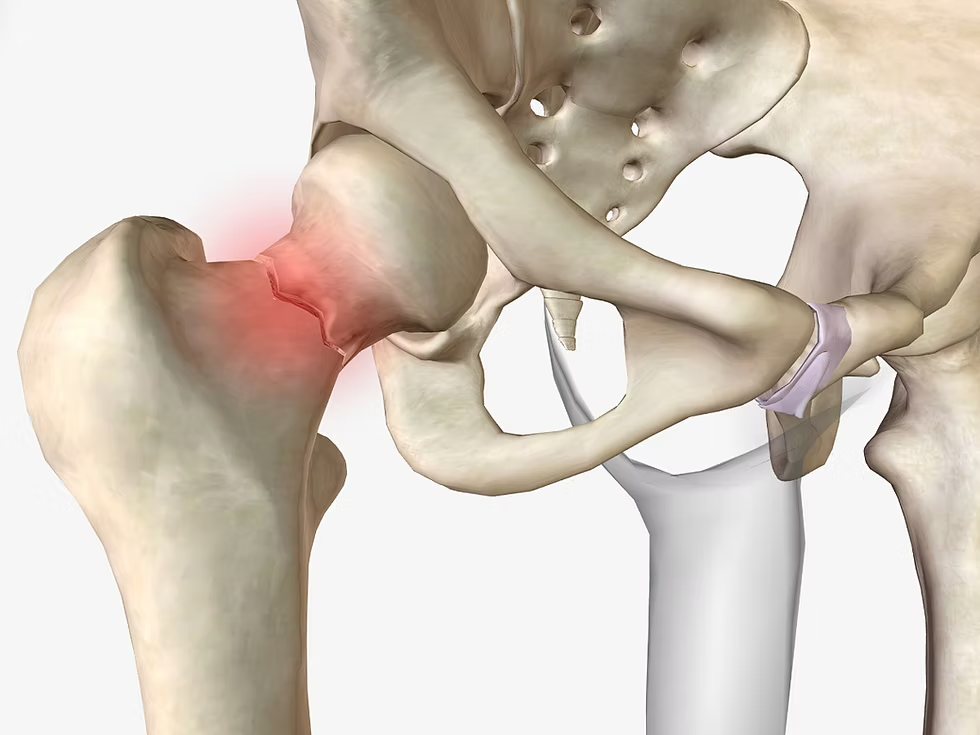
The symptoms of AVN typically begin gradually and may be mistaken for other causes of hip pain, such as arthritis or muscle strain.
Deep, aching pain
Deep, aching pain in the groin, buttock, or outer thigh.
Pain with weight-bearing activities
Discomfort during activities that put pressure on the joint, like standing or walking.
Stiffness
Stiffness or reduced range of motion in the hip.
Difficulty with Movement and Everyday Tasks
A limp or difficulty with activities such as climbing stairs or putting on shoes
Pain at rest
Discomfort even while resting, especially in advanced stages
Pain often worsens as the structural integrity of the femoral head deteriorates, particularly if the bone begins to collapse.
How is avascular necrosis diagnosed?
Diagnostic investigations may include:
1. X-rays
Useful for detecting bone collapse, sclerosis, or joint space narrowing in later stages.
2. MRI
The most sensitive imaging technique for detecting early avascular necrosis, before changes appear on X-ray.
4. CT Scans
Provide detailed views of the bone architecture and may be used in surgical planning.
3. Blood tests
To identify underlying autoimmune or metabolic conditions, especially if inflammatory arthritis or lupus is suspected
By assessing both the extent of bone involvement and your overall health, Dr Paterson can determine the most appropriate treatment pathway.
Stages of avascular necrosis
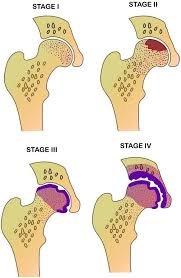
Avascular necrosis progresses through several stages, from early damage to full collapse of the femoral head. Treatment decisions are often based on the stage of the disease.
- STAGE I
Blood supply is reduced, but the bone structure is still intact.
- STAGE II
Small areas of bone death are visible, but the femoral head remains round.
- STAGE III
Collapse of the femoral head begins, often causing pain with movement.
- STAGE IV
Joint surface becomes uneven, leading to arthritis and significant stiffness.
In earlier stages, joint-preserving techniques may be considered. In later stages, joint replacement is often the most effective solution.
Treatment options for hip pain following hip replacement
Dr Paterson will begin by reviewing your medical history, surgical records, and current symptoms. A physical examination will assess your range of motion, joint stability, and areas of tenderness. Imaging and tests will then be used to confirm the cause of the pain.
- Surgical treatment for AVN of the hip
Surgical treatment for AVN of the hip
When the femoral head has begun to collapse or symptoms are no longer managed with conservative treatment, surgery may be required to restore function and reduce pain.
Surgical options include:
- Core decompression: A minimally invasive procedure that involves drilling into the femoral head to reduce internal pressure and encourage new blood vessel growth. Best suited for early-stage AVN.
- Bone grafting: May be used alongside core decompression to help regenerate bone and reinforce the weakened area.
- Synovectomy: In patients with underlying inflammatory arthritis (e.g. lupus or rheumatoid arthritis), this involves removing inflamed joint lining if the cartilage is still preserved.
- Total hip replacement (arthroplasty): If the joint has collapsed or developed arthritis, hip replacement may provide the most reliable and long-term pain relief. Dr Paterson uses evidence-based surgical techniques, including minimally invasive and patient-specific hip replacement, tailored to each individual’s anatomy and level of activity.

- Long-term outcomes and follow-up care with AVN
Long-term outcomes and follow-up care with AVN
With timely diagnosis and appropriate treatment, many patients with AVN can return to an active lifestyle. The long-term outlook depends on the stage of AVN at diagnosis, the underlying cause, and how well the joint responds to treatment.
Dr Paterson will provide a comprehensive care plan that may include:
- Ongoing imaging to monitor disease progression
- Personalised rehabilitation following surgery
- Advice on lifestyle changes to protect joint health
If you’re experiencing persistent hip pain, especially deep aching in the groin or stiffness with walking, it’s important not to ignore these symptoms. Early imaging and diagnosis can prevent irreversible joint damage. Dr Paterson offers individualised care for patients with avascular necrosis, combining advanced imaging, modern surgical techniques, and supportive rehabilitation to help restore comfort and mobility.