
Hip Arthroscopy
hip arthroscopy
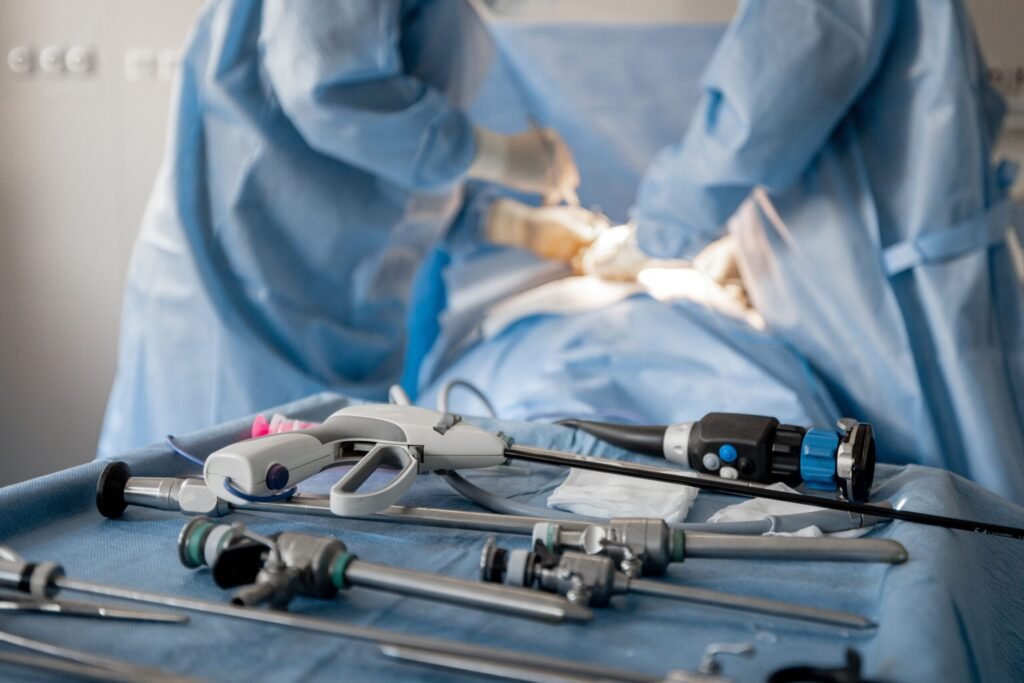
Hip arthroscopy is a minimally invasive surgical technique that allows Dr Darren Paterson to assess and treat problems inside the hip joint through small incisions. Using a tiny camera (arthroscope) and specialised instruments, Dr Paterson can address a range of conditions affecting the hip’s soft tissue, cartilage, and bone surfaces.
This “keyhole” approach may be considered for patients, often younger or physically active, where non-surgical treatments have not relieved symptoms, and imaging suggests a structural cause that could be improved with surgical intervention.
Commonly treated conditions include femoroacetabular impingement (FAI), labral tears, tendon irritation, loose bodies, and inflammation of the joint lining. In suitable cases, early intervention may help protect the hip’s natural joint surfaces and maintain mobility.
When hip arthroscopy may be recommended
Hip arthroscopy may be considered when:
- Hip or groin pain persists despite physiotherapy, rest, and medication
- Imaging (MRI, CT, or X-ray) shows labral injury, cartilage damage, or other structural changes
- You experience mechanical symptoms such as catching, locking, or clicking
- FAI or labral tears are suspected based on examination and scans
- Pain is limiting daily activity, sport, or work
- Loose bodies or inflamed tissue are present within the joint
- You wish to preserve your own hip joint where possible and delay the need for replacement surgery
Conditions commonly treated with hip arthroscopy
Hip arthroscopy may be considered when:
- Femoroacetabular impingement (FAI): Reshaping bone to improve clearance between the ball and socket and reduce labral and cartilage damage.
- Labral tears: Repairing or smoothing torn cartilage around the hip socket to improve stability and reduce pain.
- Iliopsoas tendon irritation: Releasing tight tendons causing pain or snapping sensations at the front of the hip.
- Cartilage injuries: Smoothing or stimulating cartilage repair (e.g. chondroplasty, microfracture).
- Loose bodies: Removing fragments of bone or cartilage that interfere with joint movement.
- Hip synovitis: Removing inflamed tissue from the joint lining.
Procedures that can be performed arthroscopically
During hip arthroscopy, a variety of procedures can be performed through small incisions using specialised instruments. These may include:
1. Bone reshaping (osteoplasty) for FAI
2. Labral repair or debridement
3. Iliopsoas tendon lengthening
4. Cartilage repair techniques
5. Loose body removal
6. Capsular tightening procedures
What to expect from surgery
Hip arthroscopy is generally performed under general anaesthesia. You may be positioned on your back or side, with the leg gently placed in traction to allow access to the joint.
Dr Paterson will make 2–3 small incisions around the hip. The arthroscope provides a magnified view on a monitor, allowing precise treatment while preserving healthy tissue. Once the procedure is complete, incisions are closed with dissolvable stitches or surgical tape.
Surgery typically takes 1–2 hours, depending on complexity. Most patients go home the same day, although an overnight stay may be advised in some cases.
Recovery and rehabilitation
Recovery time depends on the condition treated, the type of procedure performed, and your overall health.
Typical stages include:
Initial phase (0–4 weeks):
Protecting the hip, controlling swelling, and beginning gentle mobility exercises (often using crutches).
Strengthening phase (4–8 weeks):
Building strength in the hip and surrounding muscles, guided by a physiotherapist.
Functional phase (8–12 weeks):
Improving range of motion, endurance, and stability.
Return to sport or high-level activity (3–6 months):
Progressing to more dynamic or sport-specific movements as appropriate.
Return to Desk-Based Work (1–2 weeks):
Return to desk-based work is often possible within 1–2 weeks. More physically demanding jobs and sports may require a longer recovery.
Is hip arthroscopy right for you?
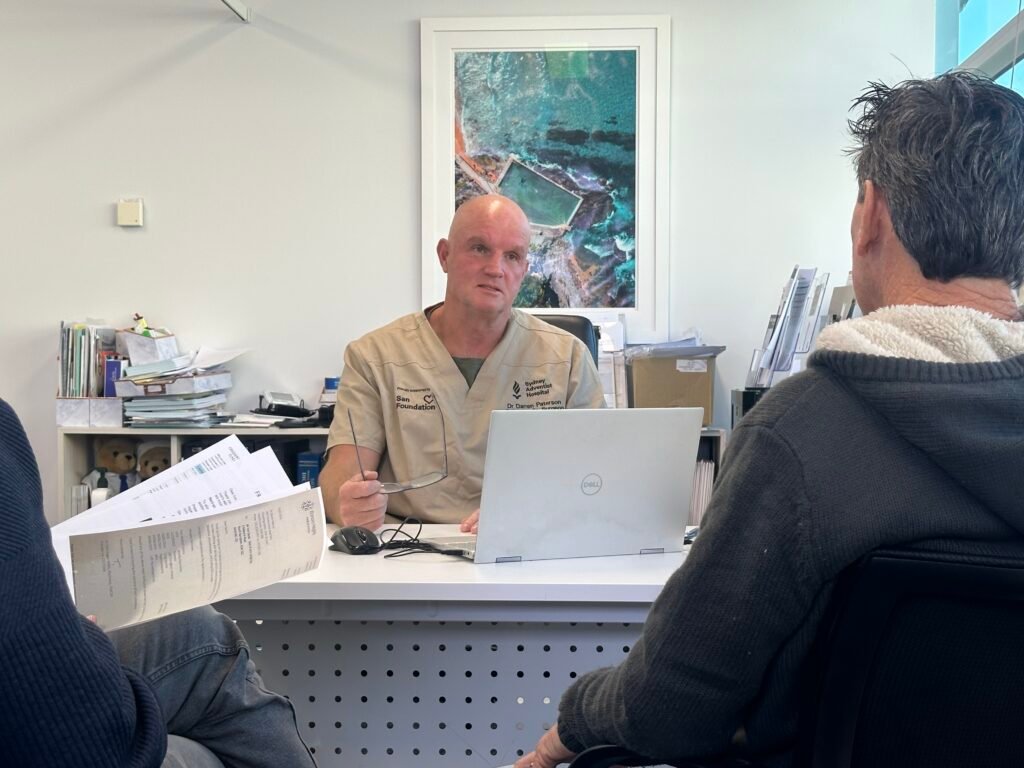
Hip arthroscopy is not suitable for all patients, particularly those with advanced arthritis or significant bone loss. During your consultation, Dr Paterson will review your symptoms, examination findings, and imaging to determine whether hip arthroscopy, another joint preservation procedure, or hip replacement is most appropriate.